Not just Indian fans, but even their politicians and media are harshly criticizing the BCCI
28 July, 2025
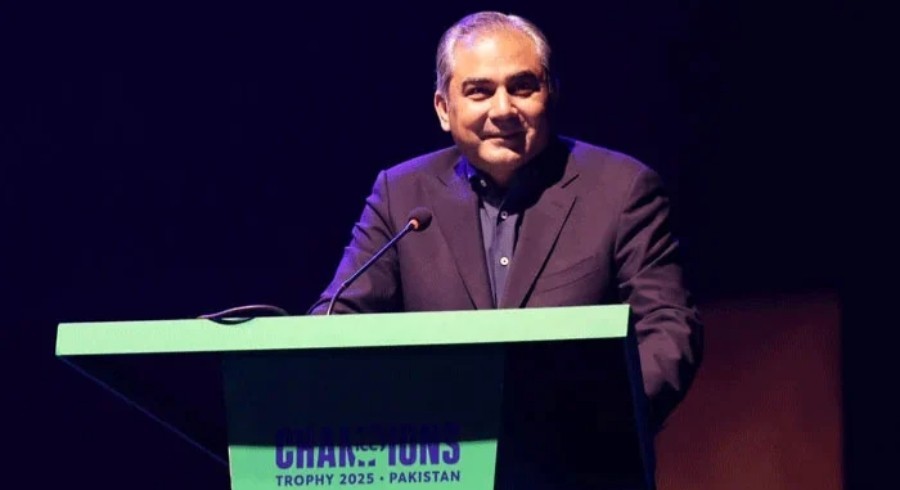 PHOTO: PCB
“In India, the government sells the patriotic narrative to fool the public. The public gets fooled because they like being fooled.”
This short clip from an Indian web series is currently going viral on social media. Not just Indian fans, but even their politicians and media are harshly criticizing the BCCI. After losing on the battlefield, now they don’t want to face Pakistan on the cricket field either.
When journalist Vikrant Gupta spoke against playing cricket with Pakistan on a show, people turned on him too, saying, “Weren’t you just happily eating biryani there? Why the sudden change of heart?” Honestly, all this is quite amusing to watch.
It wasn’t too long ago that Pakistan would travel to India for every ICC event, while India outright refused to come here. Now I understand why both the government and establishment admire Mohsin Naqvi so much. With a subtle smile and a simple demeanor, he appears mild-mannered, but his intellect is remarkable. Because of him, the Indian cricket board is now facing backlash from its own public.
After the hybrid model agreement, Pakistan only shifted India’s Champions Trophy matches to Dubai. Yet India is being forced to host the entire Asia Cup in the UAE. The BCCI usually doesn’t come forward directly; they plant stories in the media. Recently, rumors about the Asia Cup being canceled began circulating. Then, India objected to the ACC meeting being held in Bangladesh due to poor diplomatic ties and even hinted at boycotting the event. Reports suggested that Sri Lanka and Afghanistan were siding with them. The BCCI believed that Mohsin Naqvi wouldn’t be able to form a quorum. But he did — Afghanistan and UAE representatives attended.
Realizing this in advance, India had Rajeev Shukla join the meeting online to save face. On the day of the meeting, no official announcement about the Asia Cup was made, which raised suspicions again. But by Saturday morning, Indian media began reporting that government approval had been granted and the schedule would be released soon — clearly under BCCI’s direction.
Then Mohsin Naqvi took to social media, first revealing the event dates and then the full schedule. That’s when Indian outrage erupted all over social media — and it’s still echoing. From recently intimidating their players to avoid facing Pakistan in former cricketer leagues, now they’ve agreed to possibly three matches against them in the Asia Cup.
Indians are now saying that this so-called patriotism is just a tool to fool the public, and everything is forgotten where money is involved. Jay Shah, though now ICC chairman, still controls the BCCI. He is the son of Indian Home Minister Amit Shah — if anyone else had made this decision, they would’ve paid the price for it.
From 2024 to 2031, the ACC’s 8-year media rights were sold for $170 million (approximately PKR 47.26 billion). In India, it’s impossible for such a big deal to happen without political figures taking a cut. Perhaps broadcasters cried foul over potential losses if the event didn’t happen, pushing government officials to approve it.
Still, those very Indians protesting the matches will now scramble to get tickets. Every match between the arch-rivals will have packed stadiums, and TV ratings will skyrocket. At that point, they’ll forget all about their crashed aircrafts in war. Advertisers pay millions for spots during these games — that’s why broadcasters invested so much in the first place.
It’s all about money. The sparkle of dollars makes people take off their hatred-tinted glasses. That’s why the BCCI never refuses to play against Pakistan in ICC or ACC events. Even the ICC’s official broadcaster is Indian. The BCCI earned ₹9,741.7 crore in the 2023-24 fiscal year — ₹5,761 crore of that came from IPL alone. Some say a board this rich wouldn’t play the Asia Cup just for money. Why would it tolerate public criticism for just a few billion rupees?
The reality is, it’s not just about the Asia Cup. The World Cup is set to take place in India next year. If the BCCI boycotted the Asia Cup, Pakistan might refuse to play against them in the World Cup later. ICC is already dealing with disputes with its broadcaster. If Pakistan pulled out, the event would lose much of its appeal — and Jay Shah can’t afford that. That’s likely why, despite reluctance, he gave the BCCI the green signal for the Asia Cup.
Whatever the reason, it’s a win for Pakistan. Mohsin Naqvi only became ACC President because he is also PCB Chairman, and any success under his leadership reflects positively on the country.
Just as our brave forces humbled India’s inflated image of being a regional superpower, in cricket too, we’ve challenged their dominance. It’s also worth noting that the PCB chairman is improving relations with other cricket boards — that’s why Pakistan wasn’t alone at the ACC meeting.
Still, caution is advised. Under public pressure, the Indian government and board might backtrack, putting the Asia Cup in jeopardy again. Remember, the BCCI hasn’t yet shared the Asia Cup schedule on its official social media or issued any press release. They’re still silent.
The ACC should prepare a Plan B — just in case someone tries to spoil the party at the last minute.