This has raised questions about sporting fairness, as England has had limited time to prepare for the venue, unlike India, who knew they might play in Guyana

27 June, 2024
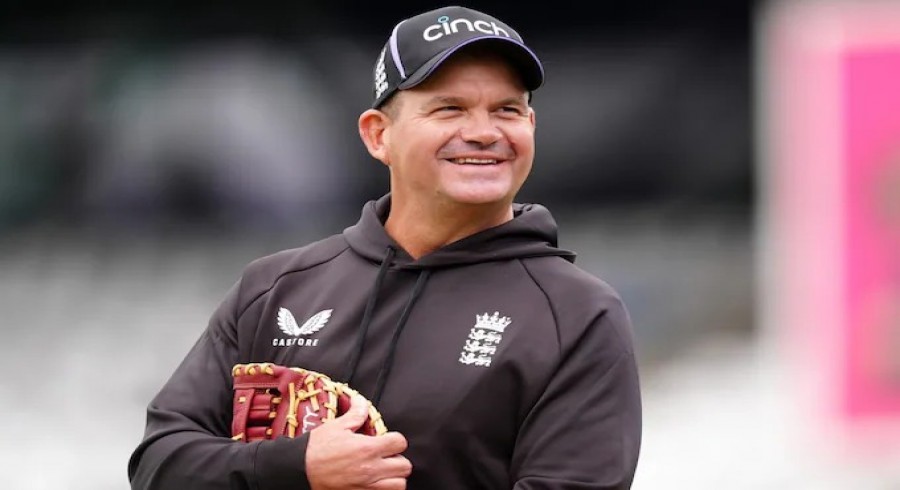 PHOTO: AFP
The ICC's decision to have India play in the second semi-final highlights cricket's reliance on Indian broadcast rights, with all India's World Cup games starting at 10:30 am local time to align with primetime in India.
This has raised questions about sporting fairness, as England has had limited time to prepare for the venue, unlike India, who knew they might play in Guyana.
England coach Matthew Mott acknowledged the predetermined venue could advantage India but noted it's a decision beyond his control.
"We knew all about it from the start, and that's a decision way above my pay grade," Mott told ESPNcricinfo at Providence before England trained on Wednesday. "And to be honest, I think it could be an advantage for them."
However, Indian captain Rohit Sharma had a different view on the topic.
"I don't see this as an advantage," Rohit Sharma, their captain, insisted. "You've got to play good cricket to win a cricket game: that's how I look at it."
He also mentioned the tight schedule leading to Saturday's final, with no reserve day for second semi-final and potential weather disruptions. If the semi-final between England and India is washed out, India will progress to final as they topped the Group 1 in Super Eight stage.
"It's something we've known about since the start of the tournament, so to cry foul over it now probably doesn't make a lot of sense," Mott said. "I'm not going to lie: it would be great to have a reserve day because the weather can change from day to day, but I think there will be enough time to get some cricket in… Maybe that's something the ICC need to look at, [in the] long term."
Despite a rocky start in the tournament, Mott believes England's struggles have made them resilient. He emphasized the need for skillful play on Guyana's pitch and praised consultant coach Kieron Pollard's advice on using local conditions effectively.
"It's a pitch where you're going to have to use your graft and your skills," Mott said. "One of the things that has come out [of England's research] is that it's actually not a huge turning ground: it's more to do with the lack of bounce where spin comes into play.
"We've certainly chatted a lot about it as a spin group, making sure that we keep the stumps in play… Pollard has been exceptional about just making sure that we stick to that sort of stuff. He's been a really strong voice in the use of the wind, and how we can use that as a batting and bowling group."



.jpg)
.jpg)

.jpg)