Discussing the state of Sri Lankan cricket, Sangakkara highlighted the need for financial investment to become a competitive force again

10 July, 2024
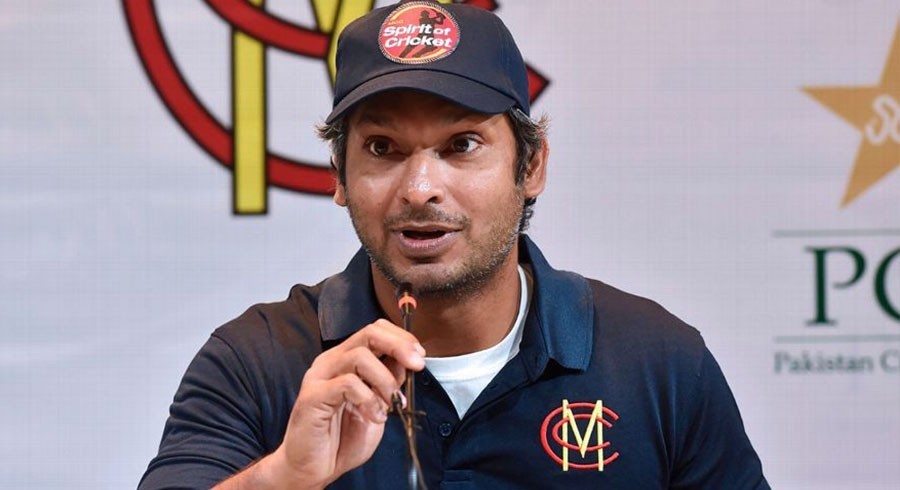 PHOTO: AFP
Former Sri Lanka captain Kumar Sangakkara provided valuable advice on how to elevate smaller cricketing nations to the highest level.
Speaking at the World Cricket Connects event at Lord’s, hosted by the Marylebone Cricket Club (MCC), Sangakkara emphasized the importance of investment partnerships between national cricket boards and smaller nations.
Discussing the state of Sri Lankan cricket, Sangakkara highlighted the need for financial investment to become a competitive force again.
“It’s about money, Sri Lanka needs money to invest in the game. How that money comes about, is it going to be ICC handouts, is it going to be the franchise game? How do you become self-sustainable? How do you do it if the market is so small or not as attractive,” Sangakkara said.
“The players have avenues to go beyond Sri Lanka in terms of earning a living and plying their trade because of the franchise landscape.
“Sri Lanka’s place depends on how bilateral cricket continues to exist. Will it exist in the current format? Will it change?
“Will private investment partner the home boards to ensure they are not just skimming the cream off the top but also investing in the grassroots and growing the game? It is incumbent to build the home game and the audience of those products and the consumer base for those products.”
Sangakkara concluded that various stakeholders, including private investors and broadcasters, need to contribute to the game's development. He advocated for fresh ideas and outside perspectives to enhance cricket's growth and sustainability.
“We have a governing body, the ICC, which is not completely independent as it is made up of the 12 home boards who are full members. Then you have private equity and private enterprise investing massively in the game through the IPL and common ownership throughout the franchise game,” he said.
“You have the broadcasters who have a huge insight and idea as to what the next generation of fans want, how they consume the game. They know what new avenues of thinking are needed to make sure the game is sustained financially.
“There are lots of stakeholders who need to play a part in the solution that the game requires and the direction of travel. Having just cricketers or traditional administrators administer the game, is that the right thing? I’m not necessarily sure that it is.
“We need newer ideas, new perspectives, outside perspectives coming in to enhance the thinking in cricket and grow it as we know it can.”



.jpg)
.jpg)

.jpg)